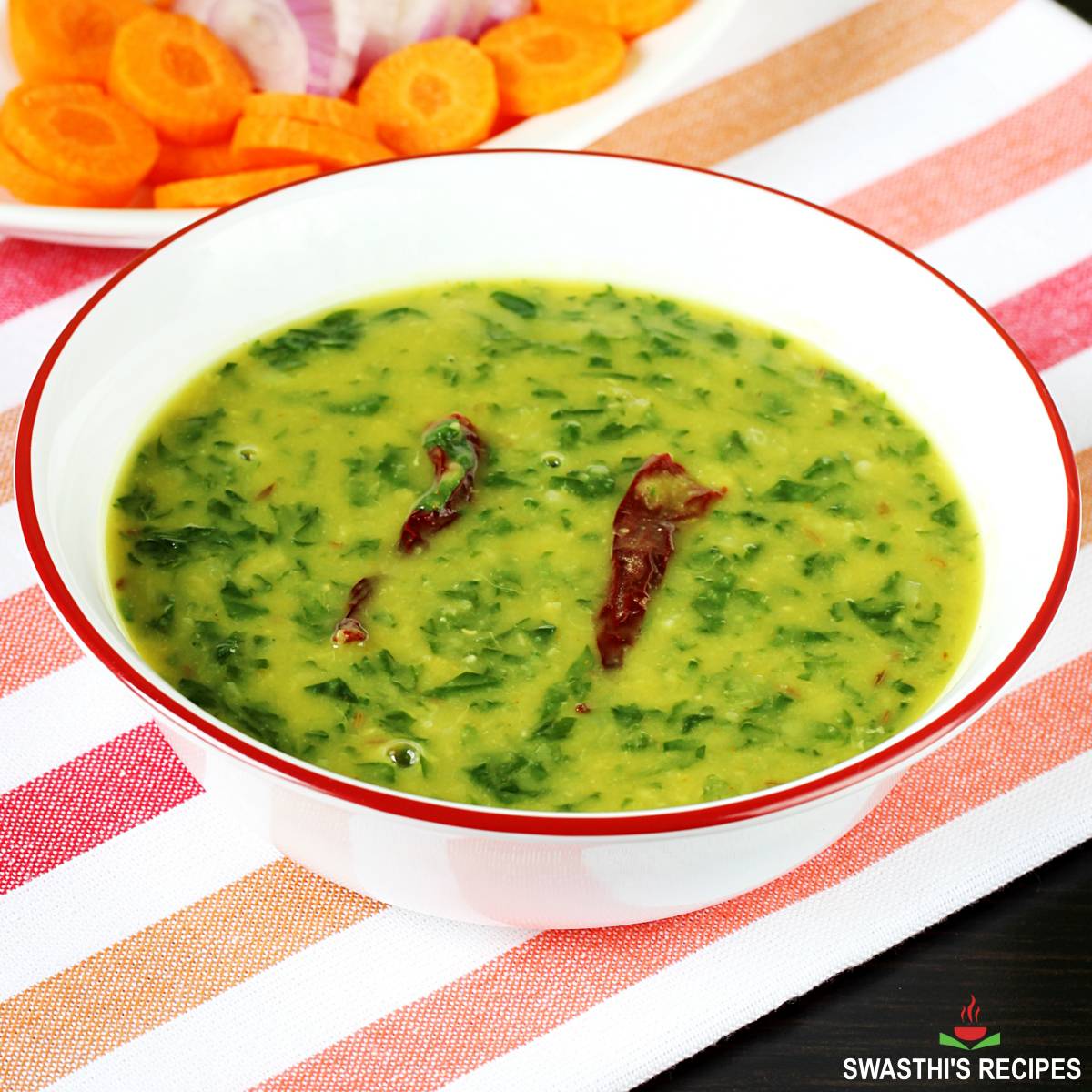
Dal Palak Perfection: Easy Tips for Flavorful Curry
Few dishes encapsulate the warmth, nutrition, and vibrant flavors of Indian cuisine quite like dal palak indian spinach and lentil curry. This humble yet hearty dish, a staple in many Indian homes, combines the earthy goodness of lentils (dal) with the fresh, slightly bitter notes of spinach (palak), all brought together by an aromatic tempering of spices. While seemingly simple, achieving a truly flavorful and perfectly textured dal palak can be a culinary art. Whether you're a seasoned home cook or just starting your journey into Indian cooking, these easy tips will guide you towards perfecting your dal palak, transforming it from a mere meal into a delightful experience.
The beauty of dal palak lies in its versatility and its ability to comfort and nourish. It’s naturally vegetarian, often vegan, and packed with essential nutrients. But beyond its health benefits, it’s the symphony of flavors – the creamy lentils, the wilted greens, the pungent garlic, the fiery chilies, and the fragrant whole spices – that makes it so universally loved. Let's dive into the secrets that elevate a good dal palak to truly exceptional.
The Foundation: Choosing Your Dal and Preparing Your Spinach
The journey to perfect dal palak begins with its core ingredients. The quality and type of lentils and the freshness of your spinach will significantly impact the final taste and texture.
Selecting the Right Lentil
While various lentils can be used, split yellow pigeon peas (toor dal or arhar dal) and red lentils (masoor dal) are the most common choices for dal palak. Toor dal offers a slightly nutty flavor and a thicker consistency, while masoor dal cooks faster and results in a smoother, creamier curry. Many recipes even blend these two for a balanced texture and flavor profile.
- Rinse Thoroughly: Always rinse your chosen dal multiple times under running water until the water runs clear. This removes any dust, debris, and excess starch.
- Soaking (Optional but Recommended): Soaking lentils for 30 minutes to an hour (or even overnight for toor dal) can reduce cooking time and make them easier to digest. It also helps in achieving a more uniform, creamier texture.
- Ratio Matters: A good starting point is usually a 1:3 or 1:4 ratio of dal to water, depending on how thick you prefer your curry. Adjust as needed during cooking.
Preparing Your Spinach
Fresh spinach is crucial for vibrant color and taste. Avoid using frozen spinach if possible, as it often has a higher water content and less intense flavor.
- Wash Meticulously: Spinach can harbor a lot of sand and dirt. Wash it thoroughly in several changes of water, or immerse it in a large bowl of water and gently agitate, letting the grit settle at the bottom.
- Chop Wisely: You can either finely chop the spinach before adding it, or add larger leaves and let them wilt down. Finer chopping leads to a more integrated consistency, while larger pieces offer a pleasant textural contrast.
- Blanching (Optional): For an extra vibrant green color and to reduce any potential bitterness, you can quickly blanch the spinach in hot water for 1-2 minutes, then immediately plunge it into ice water before chopping and adding to the dal. This also helps in breaking down oxalic acid.
Mastering the Spice Symphony: The Art of Tadka
The heart and soul of any indian spinach and lentil curry, including dal palak, is the "tadka" or tempering. This technique involves heating oil or ghee and blooming whole or ground spices, releasing their aromatic compounds and infusing the dish with incredible flavor. It's often the final flourish, but sometimes also forms the base.
Essential Tadka Ingredients
While the specifics can vary, a classic dal palak tadka often includes:
- Ghee or Oil: Ghee imparts a rich, nutty flavor, but any neutral cooking oil works well.
- Whole Spices: Cumin seeds (jeera), mustard seeds (rai), and sometimes a pinch of asafoetida (hing) are standard. Hing is particularly important when cooking with lentils as it aids digestion and adds a pungent depth.
- Aromatics: Finely chopped garlic and ginger are non-negotiable for their robust flavor. Sliced green chilies add a touch of heat.
- Powdered Spices: Turmeric powder (haldi) is often added to the dal itself for color and health benefits, but red chili powder (lal mirch) and sometimes coriander powder are added to the tadka.
- Fresh Herbs: Fresh curry leaves and cilantro (coriander leaves) finish the tadka with their vibrant aroma.
The Perfect Timing and Technique
The key to a successful tadka is heat control and timing. Overcooked spices can turn bitter, while undercooked ones won't release their full flavor.
- Heat the Fat: Heat ghee or oil in a small pan over medium heat.
- Bloom Whole Spices: Once hot, add cumin seeds, mustard seeds (if using), and hing. Let the cumin seeds splutter and turn golden, and the mustard seeds pop. This usually takes only a few seconds.
- Sauté Aromatics: Immediately add chopped garlic, ginger, and green chilies. Sauté until the garlic turns golden brown and fragrant. Be careful not to burn it.
- Add Powdered Spices: Turn off the heat or remove the pan from the stove before adding red chili powder and any other powdered spices. This prevents them from burning and becoming bitter. Stir quickly.
- Infuse the Dal: Pour the hot tadka directly over the cooked dal palak. The sizzling sound and fragrant steam are tell-tale signs of a perfectly executed tadka. Stir gently to combine.
Cooking Techniques for Optimal Flavor and Texture
The method you choose to cook your dal palak can influence its texture and the depth of its flavor. Both pressure cooking and stovetop simmering have their merits.
Pressure Cooker Efficiency
For a quick and consistently creamy dal, a pressure cooker is your best friend. It significantly reduces cooking time while ensuring the lentils break down beautifully.
- Pre-sauté Aromatics: You can start by sautéing onions, tomatoes, ginger, and garlic directly in the pressure cooker pot before adding the rinsed dal, spinach, water, and basic spices (turmeric, salt).
- Spinach Addition: Add spinach after the dal is partly cooked or even after pressure cooking. This helps retain its vibrant green color and prevents it from overcooking and losing nutrients.
- Consistency Check: After pressure cooking, if the dal is too thick, add a little hot water and simmer for a few minutes. If it's too thin, simmer uncovered until it reaches your desired consistency.
Stovetop Simmering for Depth
While slower, cooking dal palak on the stovetop allows for greater control and can yield a more complex flavor profile as the ingredients slowly meld together. This is a great way to understand the nuances of the dish, as detailed in our comprehensive Mastering Dal Palak: Authentic Indian Recipe Guide.
- Low and Slow: Simmer the dal over low to medium heat, stirring occasionally to prevent sticking. This gentle cooking helps the lentils break down evenly and absorb flavors.
- Layering Flavors: You can build flavors in stages: first a foundational tempering, then adding the dal and water, and finally another tadka for finishing.
- Stirring is Key: Regular stirring, especially towards the end, prevents the dal from sticking to the bottom and encourages a creamy texture.
Elevating Your Dal Palak: Secret Ingredients and Flavor Boosters
Once you have the basics down, you can experiment with additional ingredients and techniques to truly perfect your dal palak indian spinach and lentil curry.
Adding Tang and Richness
- Tomatoes: A diced tomato or two, sautéed with the onions and ginger-garlic, adds a lovely tang and depth of flavor.
- Lemon/Lime Juice: A squeeze of fresh lemon or lime juice at the very end brightens the entire dish, cutting through the richness and enhancing the other flavors.
- Amchur (Dry Mango Powder): For a different kind of tang, a pinch of amchur powder can be added during cooking.
- Cream/Coconut Milk: For a richer, more indulgent dal palak, stir in a spoonful of fresh cream or a splash of coconut milk (for a vegan version) right before serving.
Fresh Herbs and Aromatics
- Fresh Coriander: A generous handful of freshly chopped coriander leaves stirred in at the end and as a garnish is essential for an authentic taste and aroma.
- Kasuri Methi (Dried Fenugreek Leaves): Crushing a small amount of kasuri methi between your palms and adding it to the dal during the last few minutes of cooking imparts a unique, slightly bitter, and incredibly aromatic flavor that many find indispensable.
- Green Chilies: For an extra kick, slit green chilies can be added with the ginger and garlic in the tadka, or even as a garnish for those who like more heat.
Healthy Twists and Perfect Pairings
Dal Palak is not just delicious; it’s incredibly nutritious. It's a fantastic source of plant-based protein, dietary fiber, iron, and vitamins, thanks to the combination of lentils and spinach. For more insights into its health benefits and ways to make it even more wholesome, explore our guide on Healthy Dal Palak: Nutritious Spinach & Lentil Curry.
Nutritional Powerhouse
The blend of lentils provides complex carbohydrates and protein, making it a fulfilling meal. Spinach contributes iron, Vitamin K, Vitamin A, and antioxidants, while the spices add anti-inflammatory properties. This makes dal palak a balanced and wholesome choice for any diet.
Perfect Pairings
Dal palak is incredibly versatile and pairs well with a variety of accompaniments:
- Rice: The most classic pairing. Steamed basmati rice or brown rice perfectly complements the creamy curry.
- Indian Breads: Serve it with hot rotis, naan, parathas, or puri for scooping up every last bit of the flavorful dal.
- Raita: A cooling cucumber raita (yogurt dip) provides a refreshing contrast to the warmth of the curry.
- Salad/Pickle: A simple side salad or a tangy Indian pickle (achar) can add another layer of texture and flavor.
Conclusion
Creating the perfect dal palak indian spinach and lentil curry is a rewarding culinary journey that combines simple ingredients with thoughtful techniques. From the careful selection and preparation of your dal and spinach to the artful execution of the tadka, each step contributes to a dish that is deeply flavorful, comforting, and incredibly nutritious. Don't be afraid to experiment with different spices, aromatics, and cooking methods to find your ideal version. With these tips in hand, you're well on your way to mastering this beloved Indian classic and delighting your taste buds with every spoonful. Enjoy the process, savor the aromas, and relish your perfectly crafted dal palak.
